Buy kookgek.be ?
We are moving the project
kookgek.be .
Are you interested in purchasing the domain
kookgek.be ?
domain@kv-gmbh.de · 0541-91531010
Buy kookgek.be ?
What is the food of a carnivorous plant?
Carnivorous plants obtain nutrients by trapping and digesting small insects and other organisms. They do not rely on photosynthesis alone for their nutritional needs. Different carnivorous plants have evolved various mechanisms to capture their prey, such as sticky surfaces, pitfall traps, or snap traps. Once the prey is caught, the plant secretes enzymes to break down the organism and absorb the nutrients. **
How long can carnivorous plants survive without food?
Carnivorous plants can survive for varying lengths of time without catching and consuming prey. Some species, such as the Venus flytrap, can survive for several weeks to a few months without catching insects, as they are able to derive some nutrients from the soil. However, prolonged periods without food can weaken the plant and affect its overall health and ability to photosynthesize. It is important for carnivorous plants to regularly catch and consume prey in order to thrive and maintain their unique adaptations for nutrient acquisition. **

Similar search terms for Non-carnivorous
Top-Angebote
Products related to Non-carnivorous:
-
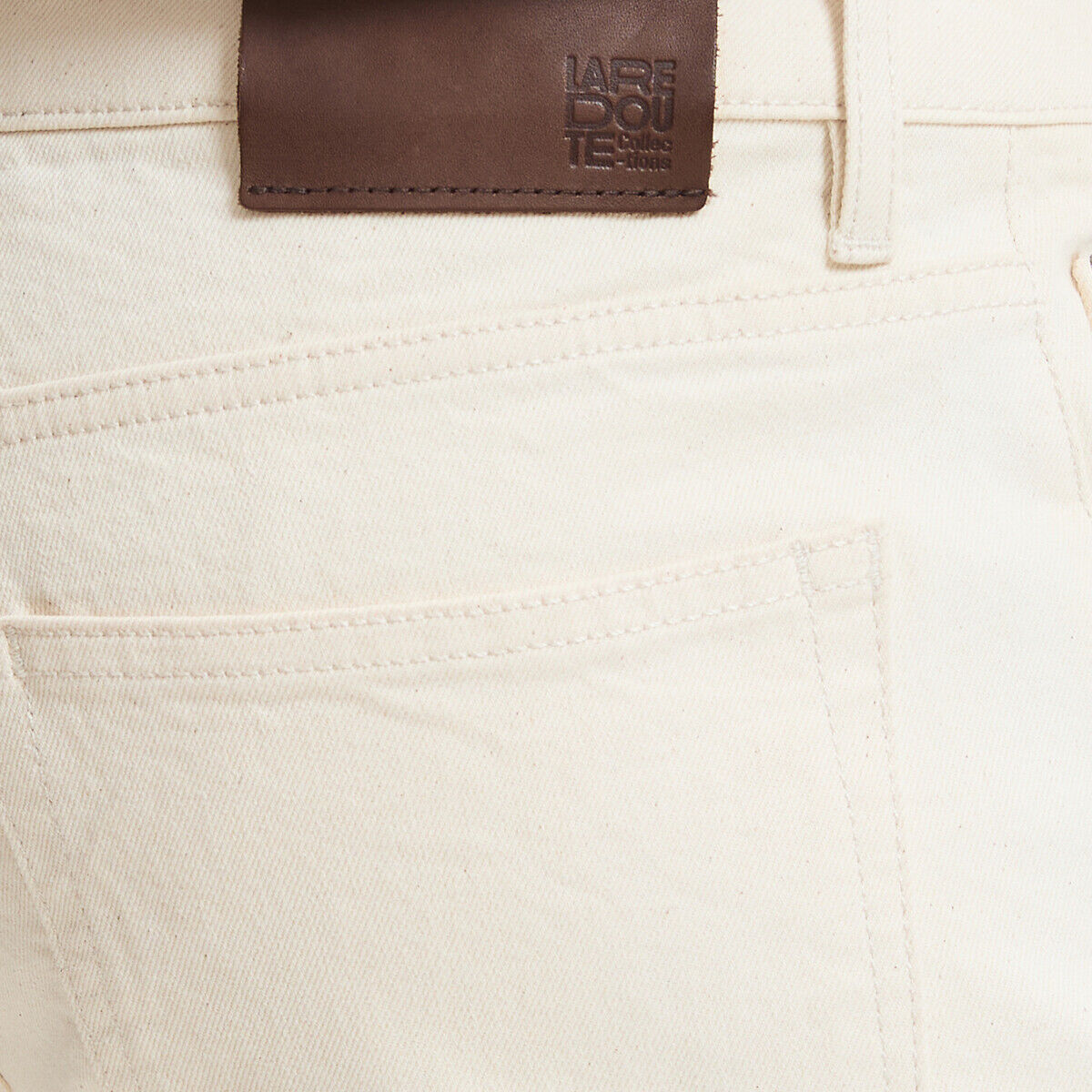
LA REDOUTE COLLECTIONS Jean non teint régularDétails produit • Regular, droit • Taille standard • Coupe 5 poches • Ceinture à passants boutonnée Mesures du produit en taille 40/M • Longueur de l’entrejambe : 81 cm • Largeur du bas : 19,5 cm Composition et Entretien • 98% coton, 2% élasthanne • Température de lavage 40° cycle délicat • Température de repassage moyenne / blanchiment interdit • Séchage en tambour faible • Pas de nettoyage à sec • COTON ISSU DE L'AGRICULTURE BIOLOGIQUE. L’agriculture biologique exclut tous produits chimiques, pesticides, insecticides et OGM. Une production dont l’impact sur la biodiversité est réduit. • DÉLAVAGE ÉCONOME EN EAU. Ce délavage permet de réduire la consommation d’eau utilisée par rapport à un délavage classique.32,49 €*Shipping: 3,99 €Secure redirect to the provider
-
CONVERSE Sweat à capuche en molleton non grattéDétails produit • A capuche • Col rond • Manches longues • Longueur : standard • Logo devant • Molleton léger Composition et Entretien • 56% coton, 44% polyester • Pour l'entretien, merci de vous référer aux indications figurant sur l'étiquette du produit26,60 €*Shipping: 3,99 €Secure redirect to the provider
-
PUMA Ensemble sweat et jogging en molleton non grattéDétails produit • Sweat • Taille : standard • Pantalon • Taille élastiquée Composition et Entretien • 100% polyester • Pour l'entretien, merci de vous référer aux indications figurant sur l'étiquette du produit24,50 €*Shipping: 3,99 €Secure redirect to the provider
-
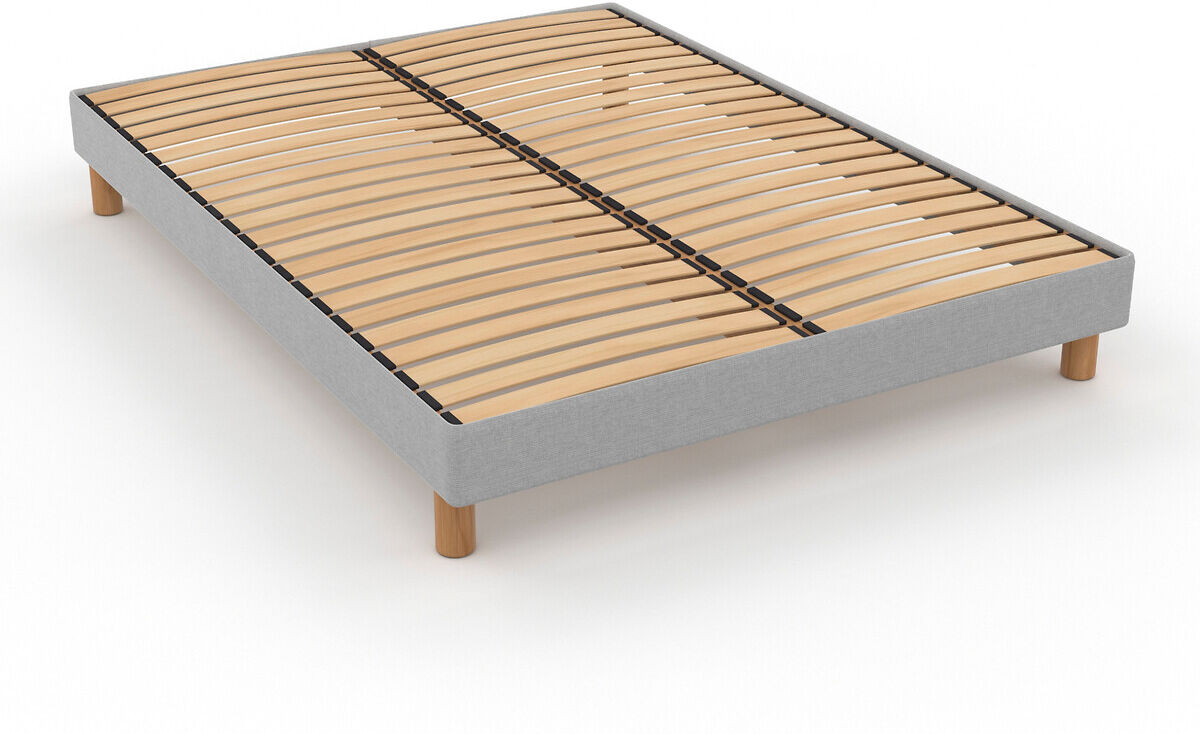
LA REDOUTE INTERIEURS Sommier déco non recouvert 22 lattes souplesIdéal pour les personnes ayant le dos sensible, la suspension du sommier tapissier lattes nues assouplit le confort de votre couchage.Un sommier fabriqué en France et signé La Redoute Intérieurs, expert et créateur de literie. • Type de sommier : tapissier à lattes nues • Fermeté : médium • Le + : bonne aération pour le matelas Bien choisir sa literie ? Consultez notre guide au bas de cette fiche produit Description • Cadre en pin massif finition tapissier • 22 lattes bois multiplis de bouleau en 190 cm de long (2 x 22 à partir de 120 cm de large) • Coutil 70% polyester 30% coton sans traitement (absence de substance active) • Pieds inclus • Chaque sommier a son matelas assorti. Le couple parfait pour un confort maximum. Retrouvez-le sur le site. Qualité • Garantie 5 ans. • 365 nuits pour tester votre literie La Redoute Intérieurs. • Conjuguant confort et soutien, la literie La Redoute Intérieurs propose une gamme adaptée à chaque dormeur et déclinée en 3 technologies. Belles nuits en perspective. Dimensions • Hauteur : 15 cm • FABRIQUÉ EN FRANCE. • FABRICATION À LA DEMANDE. En ne produisant que l’article commandé, les ressources sont préservées. Pas de surproduction, pas de matières premières utilisées inutilement. • BOIS ISSU DE FORÊTS GÉRÉES DURABLEMENT. Le bois certifié PEFC est issu de forêts gérées durablement et de sources contrôlées. PEFC contribue à assurer la pérennité et le renouvellement par régénération naturelle ou par plantation en préservant des arbres d’avenir et en favorisant la diversité des essences.181,35 €*Shipping: 9,99 €Secure redirect to the provider


-
Are there carnivorous monkeys?
Yes, there are carnivorous monkeys. One example is the rare and endangered Colombian white-faced capuchin, which has been observed hunting and eating small mammals such as squirrels and birds. Another example is the black-capped capuchin, which has been observed hunting and eating small vertebrates like birds, lizards, and even bats. While most monkeys are primarily herbivorous, there are some species that have been observed exhibiting carnivorous behavior. **
-
Are figs carnivorous plants?
No, figs are not carnivorous plants. Figs are actually a type of fruit that grows on the Ficus tree. They are not capable of trapping, killing, and digesting insects or other small animals like true carnivorous plants such as Venus flytraps or pitcher plants. Figs rely on animals to help with pollination and dispersal of their seeds, but they do not consume animals for nutrients. **
-
Can carnivorous plants poop?
Carnivorous plants do not have a digestive system like animals do, so they do not produce waste in the same way. Instead, they absorb nutrients from the insects and other small organisms they capture and digest. Any undigested parts of their prey are typically left as a husk or excreted in a form that does not resemble animal waste. Therefore, carnivorous plants do not "poop" in the traditional sense. **
-
What are carnivorous animals?
Carnivorous animals are animals that primarily feed on the flesh of other animals. They have evolved to have sharp teeth and claws for hunting and killing prey. Examples of carnivorous animals include lions, tigers, wolves, and eagles. These animals play an important role in maintaining the balance of ecosystems by controlling the population of herbivorous animals. **

Representative species of carnivorous plants
Some representative species of carnivorous plants include: 1. Venus flytrap (Dionaea muscipula) 2. Pitcher plant (Nepenthes spp.) 3. Sundew (Drosera spp.) 4. Bladderwort (Utricularia spp.) 5. Cobra plant (Darlingtonia californica) **
What's new about carnivorous plants?
Carnivorous plants have been known for their unique ability to capture and digest insects and other small organisms to obtain nutrients. However, recent research has revealed new insights into the mechanisms and strategies that these plants use to attract, capture, and digest their prey. Scientists have also discovered new species of carnivorous plants in different parts of the world, expanding our understanding of the diversity and evolution of these fascinating plants. Additionally, there have been advancements in the cultivation and conservation of carnivorous plants, leading to increased interest and awareness of these remarkable species. **
Top-Angebote
Products related to Non-carnivorous:
-
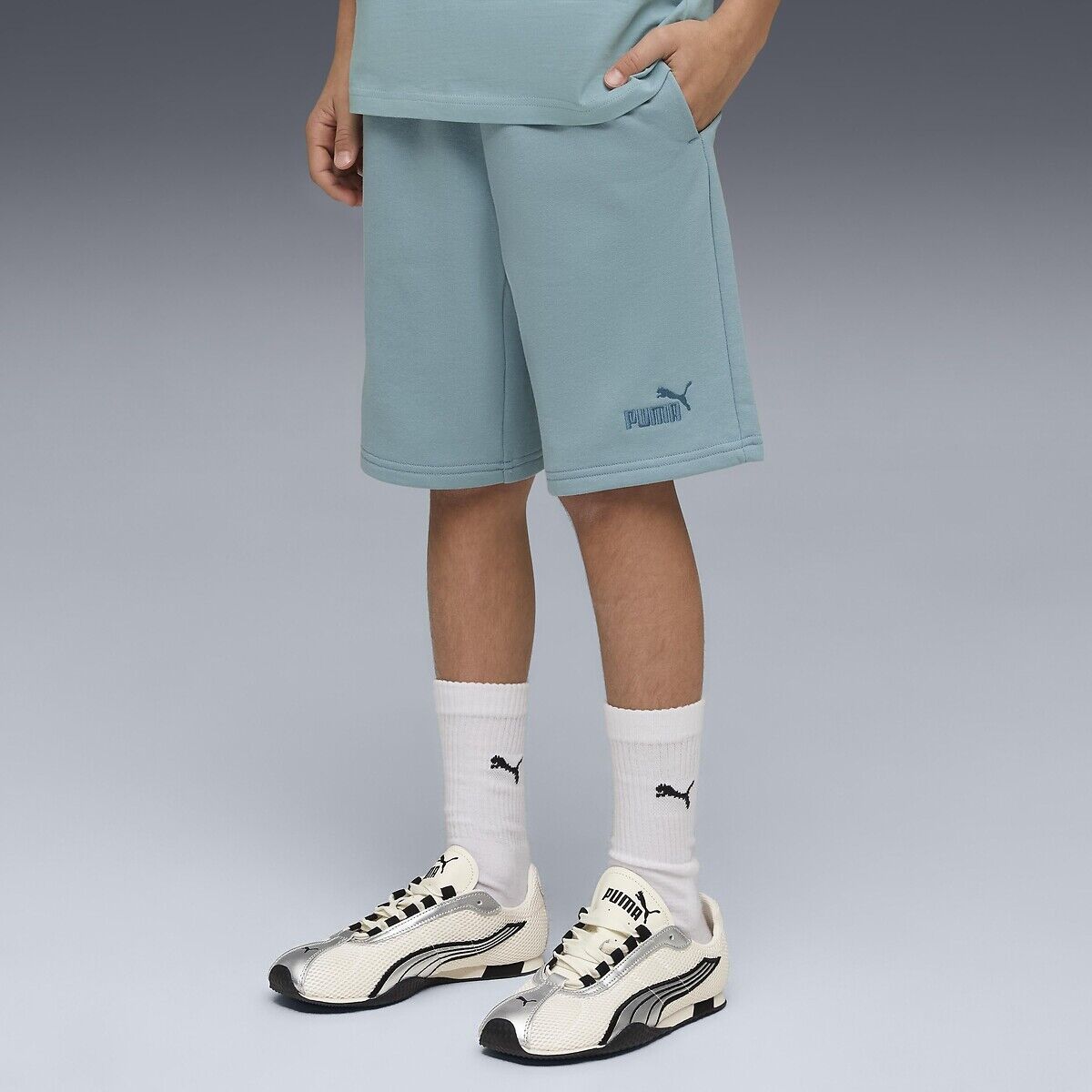
PUMA Short en molleton non grattéDétails produit • Taille : standard • Taille élastiquée Composition et Entretien • 42% coton, 32% polyester, 26% polycoton • Pour l'entretien, merci de vous référer aux indications figurant sur l'étiquette du produit16,10 €*Shipping: 3,99 €Secure redirect to the provider
-
ADIDAS SPORTSWEAR Ensemble en molleton non grattéDétails produit • Veste zippée à capuche • Taille : standard • Pantalon • Taille élastiquée Composition et Entretien • 52% coton, 48% polyester • Pour l'entretien, merci de vous référer aux indications figurant sur l'étiquette du produit52,00 €*Shipping: 3,99 €Secure redirect to the provider
-
LA REDOUTE COLLECTIONS Jean non teint régularDétails produit • Regular, droit • Taille standard • Coupe 5 poches • Ceinture à passants boutonnée Mesures du produit en taille 40/M • Longueur de l’entrejambe : 81 cm • Largeur du bas : 19,5 cm Composition et Entretien • 98% coton, 2% élasthanne • Température de lavage 40° cycle délicat • Température de repassage moyenne / blanchiment interdit • Séchage en tambour faible • Pas de nettoyage à sec • COTON ISSU DE L'AGRICULTURE BIOLOGIQUE. L’agriculture biologique exclut tous produits chimiques, pesticides, insecticides et OGM. Une production dont l’impact sur la biodiversité est réduit. • DÉLAVAGE ÉCONOME EN EAU. Ce délavage permet de réduire la consommation d’eau utilisée par rapport à un délavage classique.32,49 €*Shipping: 3,99 €Secure redirect to the provider
-
CONVERSE Sweat à capuche en molleton non grattéDétails produit • A capuche • Col rond • Manches longues • Longueur : standard • Logo devant • Molleton léger Composition et Entretien • 56% coton, 44% polyester • Pour l'entretien, merci de vous référer aux indications figurant sur l'étiquette du produit26,60 €*Shipping: 3,99 €Secure redirect to the provider
-
What is the food of a carnivorous plant?
Carnivorous plants obtain nutrients by trapping and digesting small insects and other organisms. They do not rely on photosynthesis alone for their nutritional needs. Different carnivorous plants have evolved various mechanisms to capture their prey, such as sticky surfaces, pitfall traps, or snap traps. Once the prey is caught, the plant secretes enzymes to break down the organism and absorb the nutrients. **
-
How long can carnivorous plants survive without food?
Carnivorous plants can survive for varying lengths of time without catching and consuming prey. Some species, such as the Venus flytrap, can survive for several weeks to a few months without catching insects, as they are able to derive some nutrients from the soil. However, prolonged periods without food can weaken the plant and affect its overall health and ability to photosynthesize. It is important for carnivorous plants to regularly catch and consume prey in order to thrive and maintain their unique adaptations for nutrient acquisition. **
-
Are there carnivorous monkeys?
Yes, there are carnivorous monkeys. One example is the rare and endangered Colombian white-faced capuchin, which has been observed hunting and eating small mammals such as squirrels and birds. Another example is the black-capped capuchin, which has been observed hunting and eating small vertebrates like birds, lizards, and even bats. While most monkeys are primarily herbivorous, there are some species that have been observed exhibiting carnivorous behavior. **
-
Are figs carnivorous plants?
No, figs are not carnivorous plants. Figs are actually a type of fruit that grows on the Ficus tree. They are not capable of trapping, killing, and digesting insects or other small animals like true carnivorous plants such as Venus flytraps or pitcher plants. Figs rely on animals to help with pollination and dispersal of their seeds, but they do not consume animals for nutrients. **
Similar search terms for Non-carnivorous
-
PUMA Ensemble sweat et jogging en molleton non grattéDétails produit • Sweat • Taille : standard • Pantalon • Taille élastiquée Composition et Entretien • 100% polyester • Pour l'entretien, merci de vous référer aux indications figurant sur l'étiquette du produit24,50 €*Shipping: 3,99 €Secure redirect to the provider
-
LA REDOUTE INTERIEURS Sommier déco non recouvert 22 lattes souplesIdéal pour les personnes ayant le dos sensible, la suspension du sommier tapissier lattes nues assouplit le confort de votre couchage.Un sommier fabriqué en France et signé La Redoute Intérieurs, expert et créateur de literie. • Type de sommier : tapissier à lattes nues • Fermeté : médium • Le + : bonne aération pour le matelas Bien choisir sa literie ? Consultez notre guide au bas de cette fiche produit Description • Cadre en pin massif finition tapissier • 22 lattes bois multiplis de bouleau en 190 cm de long (2 x 22 à partir de 120 cm de large) • Coutil 70% polyester 30% coton sans traitement (absence de substance active) • Pieds inclus • Chaque sommier a son matelas assorti. Le couple parfait pour un confort maximum. Retrouvez-le sur le site. Qualité • Garantie 5 ans. • 365 nuits pour tester votre literie La Redoute Intérieurs. • Conjuguant confort et soutien, la literie La Redoute Intérieurs propose une gamme adaptée à chaque dormeur et déclinée en 3 technologies. Belles nuits en perspective. Dimensions • Hauteur : 15 cm • FABRIQUÉ EN FRANCE. • FABRICATION À LA DEMANDE. En ne produisant que l’article commandé, les ressources sont préservées. Pas de surproduction, pas de matières premières utilisées inutilement. • BOIS ISSU DE FORÊTS GÉRÉES DURABLEMENT. Le bois certifié PEFC est issu de forêts gérées durablement et de sources contrôlées. PEFC contribue à assurer la pérennité et le renouvellement par régénération naturelle ou par plantation en préservant des arbres d’avenir et en favorisant la diversité des essences.181,35 €*Shipping: 9,99 €Secure redirect to the provider
-
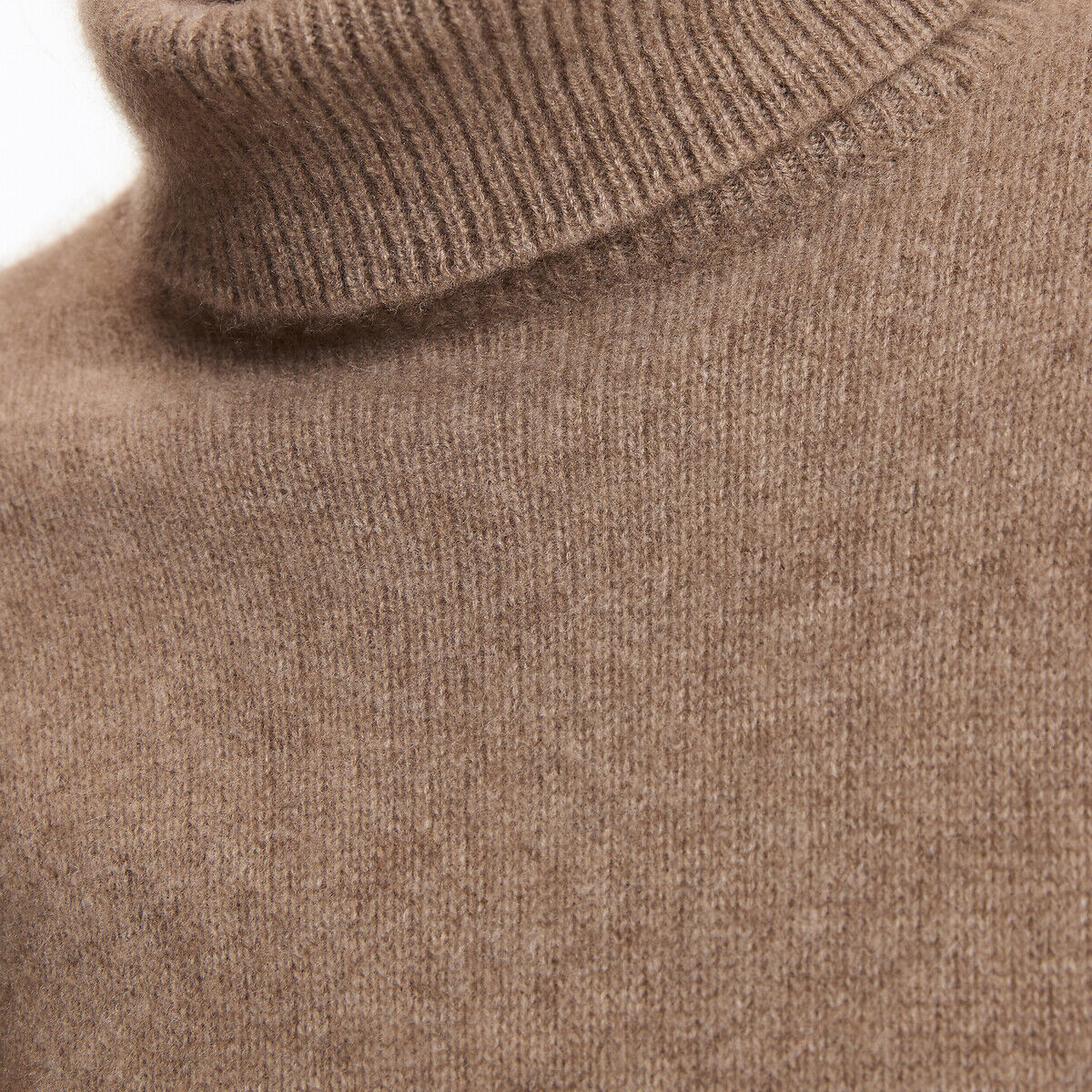
LA REDOUTE COLLECTIONS Pull col roulé en cachemire non teintDu cachemire pour la douceur et un volume loose pour le confort... ce pull col roulé, fini par bord-côtes à la base et aux poignets sera le complice des hivers froids...Détails produit • Pull long • Manches longues • Col roulé • Grosse maille Composition et Entretien • 100% cachemire • Cachemire recyclé au minimum à 50% • Lavage à la main température ambiante • Séchage à plat • Température de repassage faible / blanchiment interdit • Pas de nettoyage à sec • CACHEMIRE RECYCLÉ. Utiliser du cachemire recyclé, c'est préserver certaines ressources et réduire les déchets Fiche produit relative aux qualités et caractéristiques environnementales • Origine de fabrication (tissage, teinture) : Chine • Confection : Cambodge Dernière mise à jour des informations : 11/03/2026143,65 €*Shipping: 3,99 €Secure redirect to the provider
-
vidaXL Étagère "flottante" 40x20x2 cm bois d'acacia massif non traitéTransformez votre mur nu en un élément de décoration et un espace de rangement pratique et efficace pour votre espace de vie grâce à cette étagère "flottante" en bois ! Matériau robuste et stable : le bois d'acacia massif est connu pour sa solidité et sa durabilité. Ses couleurs variées et ses grains uniques lui confèrent un aspect attrayant. Avec une excellente stabilité et résistance aux intempéries, il est idéal pour la fabrication de mobilier d'intérieur et d'extérieur. Surface non traitée : cette étagère est fabriquée en bois d'acacia non traité et vous pouvez conserver sa couleur naturelle ou la personnaliser avec de la peinture ou de la laque selon vos préférences. Bricolage aléatoire : vous pouvez disposer les étagères de manière aléatoire, par exemple de droite à gauche, de haut en bas, ou en forme d'échelle. En utilisant plusieurs étagères murales, vous pouvez créer des motifs uniques et personnalisés. Gain de place : cette étagère flottante optimise l'espace mural inutilisé en le transformant en un espace de rangement compact et efficace. Multifonctionnelle : cette étagère murale polyvalente peut être utilisée dans différents environnements, tels que la cuisine, la salle de bain, le salon, la chambre à coucher, le bureau, le garage, etc. Bon à savoir : Chaque article est unique, avec des variations de couleurs et de grains. La livraison est aléatoire, ce qui garantit l'exclusivité et l'individualité de votre produit. La livraison comprend une seule étagère murale. Les vis et les supports ne sont pas inclus dans la livraison.19,40 €*Shipping: 0,00 €Secure redirect to the provider
-
Can carnivorous plants poop?
Carnivorous plants do not have a digestive system like animals do, so they do not produce waste in the same way. Instead, they absorb nutrients from the insects and other small organisms they capture and digest. Any undigested parts of their prey are typically left as a husk or excreted in a form that does not resemble animal waste. Therefore, carnivorous plants do not "poop" in the traditional sense. **
-
What are carnivorous animals?
Carnivorous animals are animals that primarily feed on the flesh of other animals. They have evolved to have sharp teeth and claws for hunting and killing prey. Examples of carnivorous animals include lions, tigers, wolves, and eagles. These animals play an important role in maintaining the balance of ecosystems by controlling the population of herbivorous animals. **
-
Representative species of carnivorous plants
Some representative species of carnivorous plants include: 1. Venus flytrap (Dionaea muscipula) 2. Pitcher plant (Nepenthes spp.) 3. Sundew (Drosera spp.) 4. Bladderwort (Utricularia spp.) 5. Cobra plant (Darlingtonia californica) **
-
What's new about carnivorous plants?
Carnivorous plants have been known for their unique ability to capture and digest insects and other small organisms to obtain nutrients. However, recent research has revealed new insights into the mechanisms and strategies that these plants use to attract, capture, and digest their prey. Scientists have also discovered new species of carnivorous plants in different parts of the world, expanding our understanding of the diversity and evolution of these fascinating plants. Additionally, there have been advancements in the cultivation and conservation of carnivorous plants, leading to increased interest and awareness of these remarkable species. **
* All prices are inclusive of VAT and, if applicable, plus shipping costs. The offer information is based on the details provided by the respective shop and is updated through automated processes. Real-time updates do not occur, so deviations can occur in individual cases. ** Note: Parts of this content were created by AI.