Buy kookgek.be ?
We are moving the project
kookgek.be .
Are you interested in purchasing the domain
kookgek.be ?
domain@kv-gmbh.de · 0541-91531010
Buy kookgek.be ?
Is linguistic design the same as linguistic devices?
No, linguistic design and linguistic devices are not the same. Linguistic design refers to the overall structure and organization of language, including factors such as syntax, semantics, and discourse patterns. On the other hand, linguistic devices are specific techniques or tools used within language to achieve certain effects, such as metaphors, similes, or alliteration. While linguistic devices are a part of linguistic design, they are just one component of the broader concept. **
What are non-linguistic signs and linguistic signs?
Non-linguistic signs are symbols or signals that convey meaning without the use of language, such as traffic lights, facial expressions, or body language. These signs rely on visual cues or gestures to communicate information. On the other hand, linguistic signs are symbols that represent specific meanings within a particular language system, such as words, letters, or numbers. Linguistic signs rely on the conventions and rules of language to convey meaning. **


Similar search terms for Linguistic
Top-Angebote
Products related to Linguistic:
-
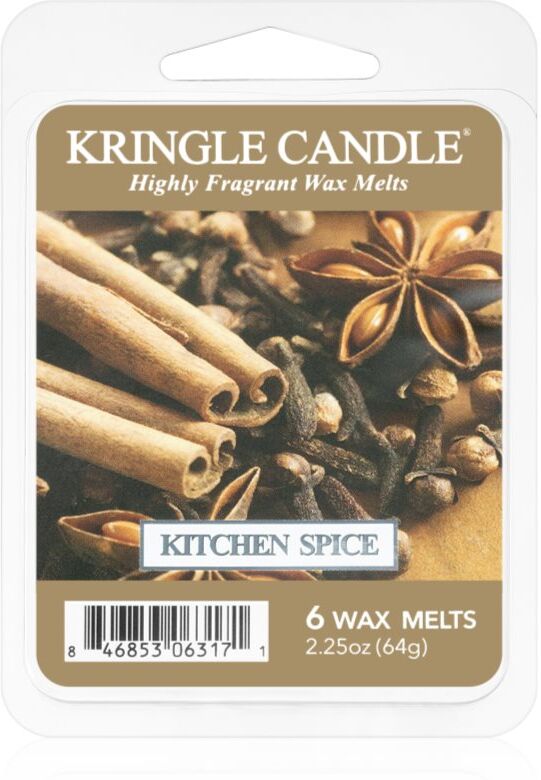
Kringle Candle Kitchen Spice tartelette en cire 64 gKringle Candle Kitchen Spice, 64 g, Cire pour brûle-parfum Parfum d'ambiance, Un parfum peut donner autant de caractère à un intérieur que des objets de décoration. La cire pour brûle-parfum Kringle Candle Kitchen Spice constitue une solution élégante pour apporter une signature olfactive unique à votre intérieur. Une fois fondue, elle libère un parfum intense qui rend l’atmosphère plus agréable et instaure calme et bien-être. Grâce à son format pratique, elle se dose facilement selon l’intensité souhaitée. Mode d’emploi : Ne laissez jamais votre cire avec la bougie allumée sans surveillance ou à proximité d’objets facilement inflammables. Ne laissez pas le produit à la portée des enfants ou des animaux domestiques.4,60 €*Shipping: 3,45 €Secure redirect to the provider
-
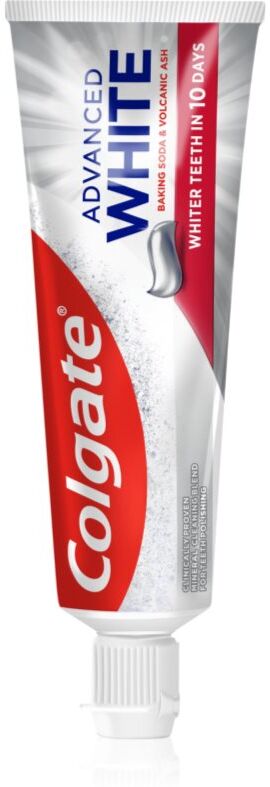
Colgate Advanced White Volcanic Ash and Baking Soda dentifrice naturel 75x1Colgate Advanced White Volcanic Ash and Baking Soda, 75x1 , Dentifrices blanchissants mixte, Le dentifrice Colgate Advanced White Volcanic Ash and Baking Soda prend totalement soin de vos dents et de vos gencives, il vous laisse une agréable haleine. Le produit : lutte contre la carie dentaire et le tartre dentaire garantit le respect de l’émail dentaire supprime le tartre et la plaque dentaire rafraîchit l’haleine prend soin des gencives Mode d’emploi : Nettoyez vos dents minutieusement pendant au moins 2 minutes. Pour bien achever votre routine d’hygiène dentaire, utilisez un fil ou une brossette interdentaire.2,20 €*Shipping: 3,45 €Secure redirect to the provider
-
Bath & Body Works Kitchen Lemon savon liquide mains 259 mlBath & Body Works Kitchen Lemon, 259 ml, Savons liquides pour femme, Le savon liquide Bath & Body Works Kitchen Lemon nettoie délicatement la peau de vos mains et leur apporte les nutriments et le soin dont elles ont besoin. Le produit : lave efficacement la peau des mains supprime les impuretés et les bactéries nourrit la peau en profondeur Mode d’emploi : Appliquez sur les mains mouillées et faites légèrement mousser. Rincez abondamment les mains.10,90 €*Shipping: 3,45 €Secure redirect to the provider


-
What are good examples of linguistic and non-linguistic images?
Good examples of linguistic images include descriptive language that paints a vivid picture in the reader's mind, such as "the sun hung low in the sky, casting a warm golden glow over the fields." Non-linguistic images can include photographs, paintings, or other visual art that convey a specific mood or message without the use of words. For example, a photograph of a stormy sea with dark, churning waves can evoke a sense of danger and power without any accompanying text. Both linguistic and non-linguistic images can be powerful tools for communication and expression. **
-
What are linguistic peculiarities?
Linguistic peculiarities refer to unique or unusual features found in a language that set it apart from others. These can include specific grammar rules, pronunciation patterns, vocabulary choices, or cultural influences that shape the way a language is spoken or written. Linguistic peculiarities can vary widely from one language to another, making each language distinct and interesting in its own way. **
-
What are linguistic aspects?
Linguistic aspects refer to the different components of language that are studied in linguistics. These aspects include phonetics (the study of speech sounds), phonology (the study of sound patterns), morphology (the study of word structure), syntax (the study of sentence structure), semantics (the study of meaning), and pragmatics (the study of language use in context). Understanding these linguistic aspects helps us analyze and interpret language in a systematic way. **
-
What is linguistic redundancy?
Linguistic redundancy refers to the use of unnecessary or repetitive words, phrases, or information in communication. It can often be seen as a form of over-explaining or providing more information than is needed to convey a message. While some level of redundancy can help clarify communication and ensure understanding, excessive redundancy can lead to inefficiency and confusion in language. Overall, linguistic redundancy can be both a helpful tool for emphasizing key points and a hindrance to clear and concise communication. **

What are linguistic images?
Linguistic images are vivid descriptions or representations created through language that appeal to the senses and evoke mental images in the mind of the reader or listener. They use words to paint a picture or convey a sensory experience, making the text more engaging and memorable. By using descriptive language and sensory details, linguistic images help to bring a scene or concept to life for the audience. **
What are linguistic features?
Linguistic features are the characteristics of language that help to distinguish one language from another or one dialect from another. These features can include phonological features (such as the sounds used in a language), morphological features (such as word formation and inflection), syntactic features (such as word order and sentence structure), and semantic features (such as the meaning of words and how they are used in context). Linguistic features are essential for understanding and analyzing language and are used by linguists to study and compare different languages and dialects. **
Top-Angebote
Products related to Linguistic:
-
vidaXL Tapis de cuisine lavable texte Cooking 45x150 cm veloursCe tapis de cuisine est extrêmement doux et moelleux, et son design élégant attire tous les regards dans votre intérieur. Matériau durable : le dessus du tapis de cuisine est recouvert d'un tissu de velours doux qui absorbe rapidement l'eau et la saleté. La base en latex antidérapante assure que le tapis de cuisine adhère fermement au sol pour plus de sécurité. Lavable en machine : vous pouvez facilement nettoyer le tapis de sol de cuisine car il est lavable en machine. Rangement pratique : le tapis est flexible et peut être facilement enroulé pour le rangement et le transport.23,80 €*Shipping: 0,00 €Secure redirect to the provider
-
Kringle Candle Kitchen Spice bougie chauffe-plat 42 gKringle Candle Kitchen Spice, 42 g, Bougies parfumées Parfum d'ambiance, La bougie chauffe-plats Kringle Candle Kitchen Spice apporte la dernière touche de romantisme lors de vos dîners à deux, mais aussi lors de toutes vos soirées. Placé dans son bougeoir, ce produit deviendra un accessoire indispensable de votre maison, parfumant agréablement tous les intérieurs de petits volumes. Utilisez plusieurs parfums pour créer une atmosphère à votre image. Le produit : arôme épicé parfum boisé arôme sucré parfum hivernal combustion pure Composition du produit : mèche de coton Mode d’emploi : Placez votre bougie sur une surface résistante à la chaleur. Ne laissez pas brûler plus de 4 heures. Ne laissez jamais votre bougie brûler entièrement. Ne laissez jamais une bougie allumée sans surveillance ou à proximité d’objets inflammables. Tenez hors de portée des enfants et des animaux domestiques. Suivez les instructions du manuel joint.3,40 €*Shipping: 3,45 €Secure redirect to the provider
-
Kringle Candle Kitchen Spice tartelette en cire 64 gKringle Candle Kitchen Spice, 64 g, Cire pour brûle-parfum Parfum d'ambiance, Un parfum peut donner autant de caractère à un intérieur que des objets de décoration. La cire pour brûle-parfum Kringle Candle Kitchen Spice constitue une solution élégante pour apporter une signature olfactive unique à votre intérieur. Une fois fondue, elle libère un parfum intense qui rend l’atmosphère plus agréable et instaure calme et bien-être. Grâce à son format pratique, elle se dose facilement selon l’intensité souhaitée. Mode d’emploi : Ne laissez jamais votre cire avec la bougie allumée sans surveillance ou à proximité d’objets facilement inflammables. Ne laissez pas le produit à la portée des enfants ou des animaux domestiques.4,60 €*Shipping: 3,45 €Secure redirect to the provider
-
Colgate Advanced White Volcanic Ash and Baking Soda dentifrice naturel 75x1Colgate Advanced White Volcanic Ash and Baking Soda, 75x1 , Dentifrices blanchissants mixte, Le dentifrice Colgate Advanced White Volcanic Ash and Baking Soda prend totalement soin de vos dents et de vos gencives, il vous laisse une agréable haleine. Le produit : lutte contre la carie dentaire et le tartre dentaire garantit le respect de l’émail dentaire supprime le tartre et la plaque dentaire rafraîchit l’haleine prend soin des gencives Mode d’emploi : Nettoyez vos dents minutieusement pendant au moins 2 minutes. Pour bien achever votre routine d’hygiène dentaire, utilisez un fil ou une brossette interdentaire.2,20 €*Shipping: 3,45 €Secure redirect to the provider
-
Is linguistic design the same as linguistic devices?
No, linguistic design and linguistic devices are not the same. Linguistic design refers to the overall structure and organization of language, including factors such as syntax, semantics, and discourse patterns. On the other hand, linguistic devices are specific techniques or tools used within language to achieve certain effects, such as metaphors, similes, or alliteration. While linguistic devices are a part of linguistic design, they are just one component of the broader concept. **
-
What are non-linguistic signs and linguistic signs?
Non-linguistic signs are symbols or signals that convey meaning without the use of language, such as traffic lights, facial expressions, or body language. These signs rely on visual cues or gestures to communicate information. On the other hand, linguistic signs are symbols that represent specific meanings within a particular language system, such as words, letters, or numbers. Linguistic signs rely on the conventions and rules of language to convey meaning. **
-
What are good examples of linguistic and non-linguistic images?
Good examples of linguistic images include descriptive language that paints a vivid picture in the reader's mind, such as "the sun hung low in the sky, casting a warm golden glow over the fields." Non-linguistic images can include photographs, paintings, or other visual art that convey a specific mood or message without the use of words. For example, a photograph of a stormy sea with dark, churning waves can evoke a sense of danger and power without any accompanying text. Both linguistic and non-linguistic images can be powerful tools for communication and expression. **
-
What are linguistic peculiarities?
Linguistic peculiarities refer to unique or unusual features found in a language that set it apart from others. These can include specific grammar rules, pronunciation patterns, vocabulary choices, or cultural influences that shape the way a language is spoken or written. Linguistic peculiarities can vary widely from one language to another, making each language distinct and interesting in its own way. **
Similar search terms for Linguistic
-
Bath & Body Works Kitchen Lemon savon liquide mains 259 mlBath & Body Works Kitchen Lemon, 259 ml, Savons liquides pour femme, Le savon liquide Bath & Body Works Kitchen Lemon nettoie délicatement la peau de vos mains et leur apporte les nutriments et le soin dont elles ont besoin. Le produit : lave efficacement la peau des mains supprime les impuretés et les bactéries nourrit la peau en profondeur Mode d’emploi : Appliquez sur les mains mouillées et faites légèrement mousser. Rincez abondamment les mains.10,90 €*Shipping: 3,45 €Secure redirect to the provider
-
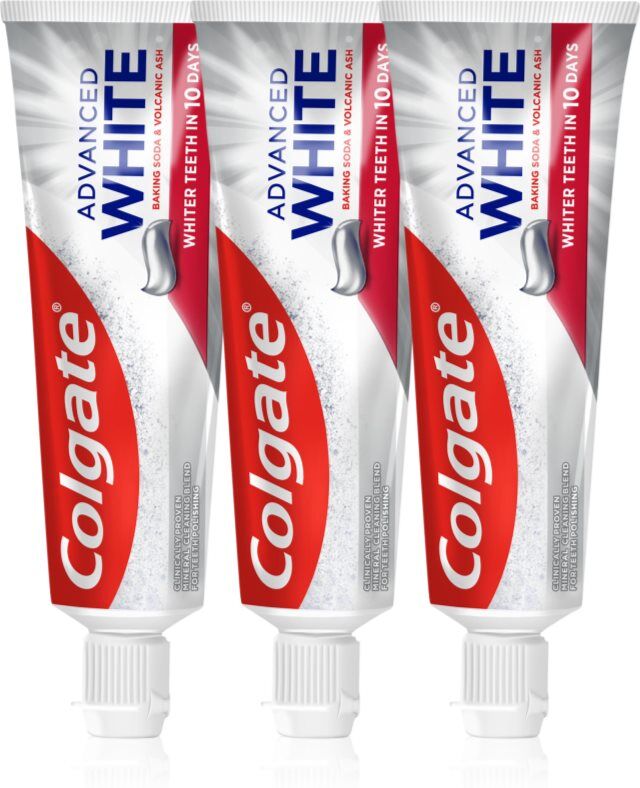
Colgate Advanced White Volcanic Ash and Baking Soda dentifrice naturel 3x75 mlColgate Advanced White Volcanic Ash and Baking Soda, 3x75 ml, Dentifrices blanchissants mixte, Le dentifrice Colgate Advanced White Volcanic Ash and Baking Soda prend totalement soin de vos dents et de vos gencives, il vous laisse une agréable haleine. Le produit : lutte contre la carie dentaire et le tartre dentaire garantit le respect de l’émail dentaire supprime le tartre et la plaque dentaire rafraîchit l’haleine prend soin des gencives Mode d’emploi : Nettoyez vos dents minutieusement pendant au moins 2 minutes. Pour bien achever votre routine d’hygiène dentaire, utilisez un fil ou une brossette interdentaire.6,40 €*Shipping: 3,45 €Secure redirect to the provider
-
What are linguistic aspects?
Linguistic aspects refer to the different components of language that are studied in linguistics. These aspects include phonetics (the study of speech sounds), phonology (the study of sound patterns), morphology (the study of word structure), syntax (the study of sentence structure), semantics (the study of meaning), and pragmatics (the study of language use in context). Understanding these linguistic aspects helps us analyze and interpret language in a systematic way. **
-
What is linguistic redundancy?
Linguistic redundancy refers to the use of unnecessary or repetitive words, phrases, or information in communication. It can often be seen as a form of over-explaining or providing more information than is needed to convey a message. While some level of redundancy can help clarify communication and ensure understanding, excessive redundancy can lead to inefficiency and confusion in language. Overall, linguistic redundancy can be both a helpful tool for emphasizing key points and a hindrance to clear and concise communication. **
-
What are linguistic images?
Linguistic images are vivid descriptions or representations created through language that appeal to the senses and evoke mental images in the mind of the reader or listener. They use words to paint a picture or convey a sensory experience, making the text more engaging and memorable. By using descriptive language and sensory details, linguistic images help to bring a scene or concept to life for the audience. **
-
What are linguistic features?
Linguistic features are the characteristics of language that help to distinguish one language from another or one dialect from another. These features can include phonological features (such as the sounds used in a language), morphological features (such as word formation and inflection), syntactic features (such as word order and sentence structure), and semantic features (such as the meaning of words and how they are used in context). Linguistic features are essential for understanding and analyzing language and are used by linguists to study and compare different languages and dialects. **
* All prices are inclusive of VAT and, if applicable, plus shipping costs. The offer information is based on the details provided by the respective shop and is updated through automated processes. Real-time updates do not occur, so deviations can occur in individual cases. ** Note: Parts of this content were created by AI.