Buy kookgek.be ?
We are moving the project
kookgek.be .
Are you interested in purchasing the domain
kookgek.be ?
domain@kv-gmbh.de · 0541-91531010
Buy kookgek.be ?
What is the difference between a Robe anglaise and a Robe à la française?
The main difference between a Robe anglaise and a Robe à la française lies in the construction of the dress. A Robe anglaise is characterized by a fitted bodice and a flowing, unstructured skirt that falls in a continuous line from the bodice. In contrast, a Robe à la française features a structured bodice with a fitted back and a full, pleated skirt that is gathered at the back in a decorative manner known as "sack-back" style. Additionally, the Robe à la française is often more elaborate and ornate, with intricate detailing such as lace, ribbons, and bows. **
Hello people, what is the difference between "à tout à l'heure" and "à tout de suite"?
"À tout à l'heure" and "à tout de suite" are both French expressions used to indicate that you will see someone later. However, "à tout à l'heure" is more casual and implies that the meeting will happen in a little while, while "à tout de suite" is more immediate and suggests that the meeting will happen very soon, almost instantly. **
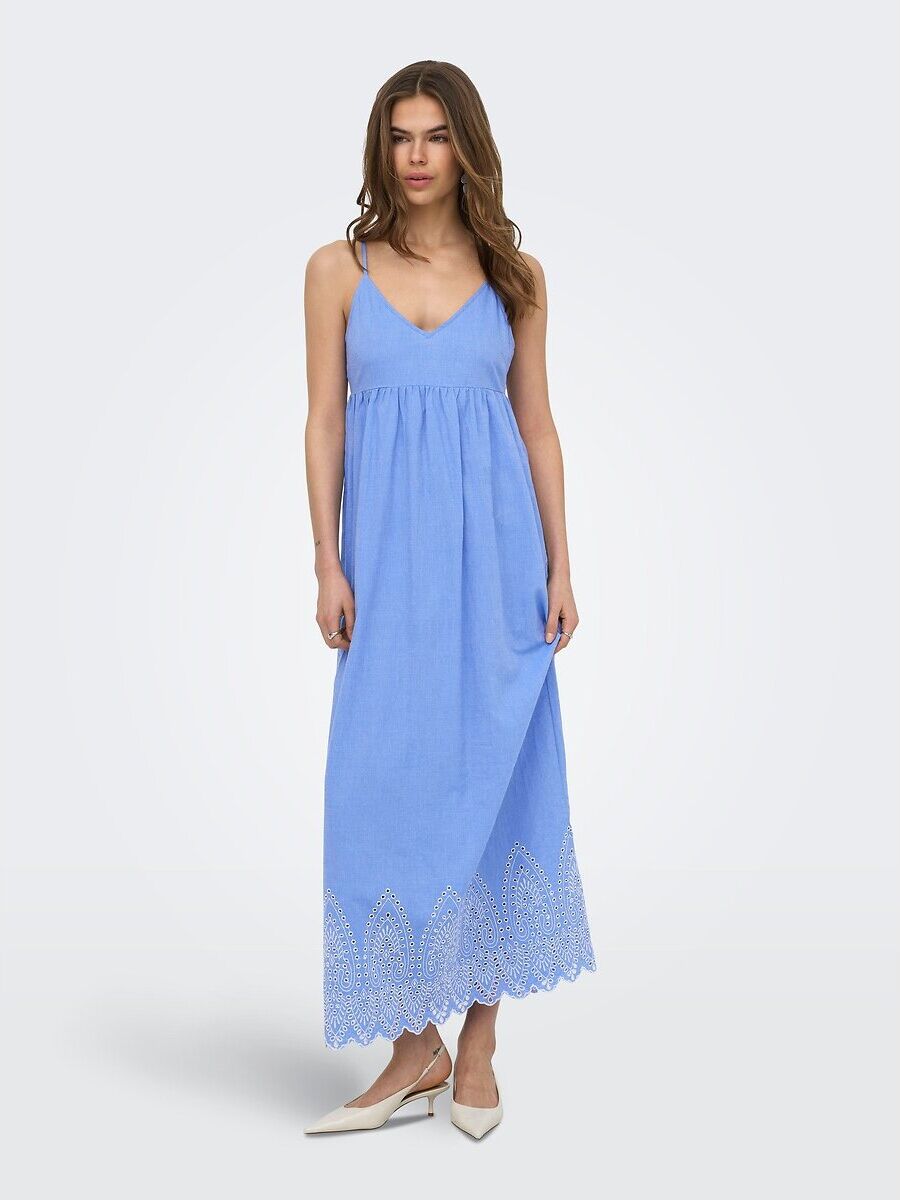

Similar search terms for ONLY-Robe-longue-à
Top-Angebote
Products related to ONLY-Robe-longue-à:
-
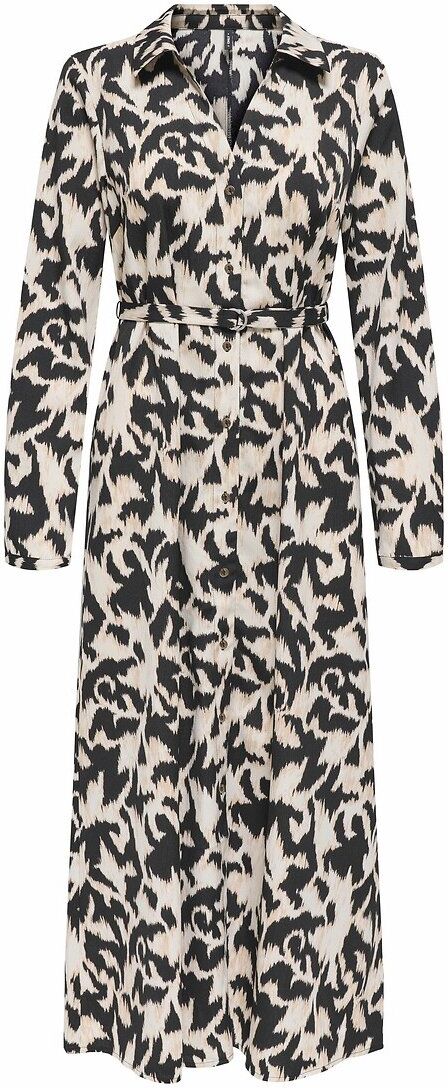
ONLY Robe longue manches longues impriméeDétails produit • Forme : évasée, patineuse • Longueur midi, 3/4 • Manches longues • Col V • Motif imprimé Composition et Entretien • 100% viscose • Pour l'entretien, merci de vous référer aux indications figurant sur l'étiquette du produit23,99 €*Shipping: 3,99 €Secure redirect to the provider
-
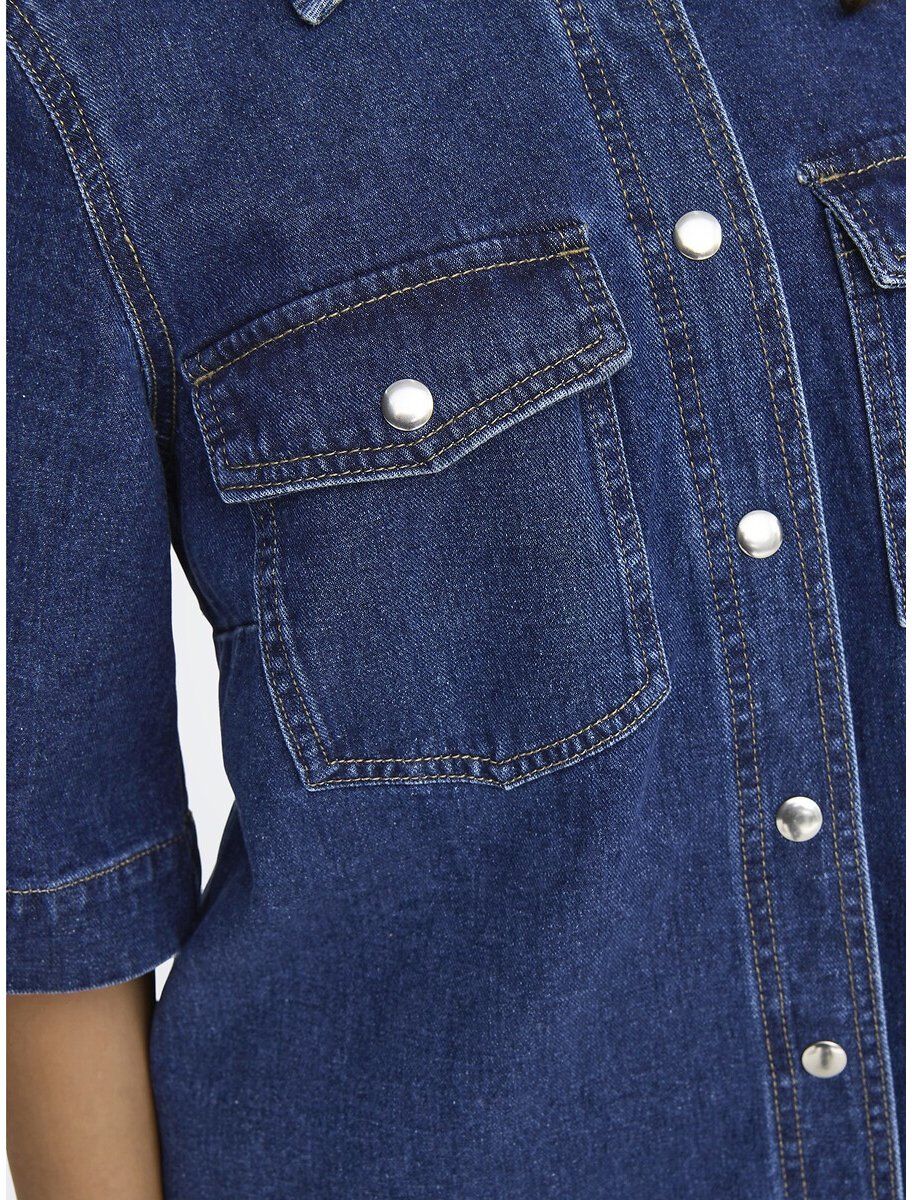
ONLY Robe mi-longue en jeanDétails produit • Forme : droite • Longueur midi, 3/4 • Manches courtes • Col polo, chemise Composition et Entretien • 100% coton • Pour l'entretien, merci de vous référer aux indications figurant sur l'étiquette du produit34,99 €*Shipping: 3,99 €Secure redirect to the provider
-
ONLY Robe droite, longue, manches longuesDétails produit • Forme : droite • Longue • Manches longues • Col polo, chemise • Motif imprimé Composition et Entretien • 100% viscose • Pour l'entretien, merci de vous référer aux indications figurant sur l'étiquette du produit29,99 €*Shipping: 3,99 €Secure redirect to the provider
-
ONLY Doudoune longue à capucheDétails produit • Longueur : long • Col montant • Manches longues • Fermeture zippée • Capuche fixe, doublée sherpa • 2 grandes poches zippées devant Composition et Entretien • Matière principale : 100% polyester • Doublure : 100% polyester • Garnissage: 100% polyester • Pour l'entretien, merci de vous référer aux indications figurant sur l'étiquette du produit76,99 €*Shipping: 3,99 €Secure redirect to the provider


-
Hello guys, what is the difference between "à tout à l'heure" and "à tout de suite"?
"À tout à l'heure" and "à tout de suite" are both French expressions used to indicate that you will see someone later. However, "à tout à l'heure" is more commonly used to mean "see you later" when the time frame is a bit longer, such as later in the day. On the other hand, "à tout de suite" is used when the meeting or reunion is happening very soon, almost immediately. **
-
Hello everyone, what is the difference between "à tout à l'heure" and "à tout de suite"?
"À tout à l'heure" and "à tout de suite" are both French expressions used to indicate that you will see someone later. However, "à tout à l'heure" is more casual and can mean "see you later" or "see you in a bit," while "à tout de suite" is more immediate and means "see you soon" or "see you in a moment." The choice between the two depends on the level of immediacy in the meeting or the context in which it is being used. **
-
What is a tendu à terre à la seconde en face?
A tendu à terre à la seconde en face is a movement in ballet where the working foot slides along the floor to the side (à la seconde) while the body is facing directly forward (en face). This movement is typically done with the working leg fully stretched and the foot pointed, and it is used to strengthen the legs, improve turnout, and develop precision and control in the feet. The tendu à terre à la seconde en face is a fundamental exercise in ballet that is often used as a warm-up or as part of a combination in a ballet class. **
-
Who is wearing this robe?
The person wearing this robe is not specified in the image, so it could be anyone. Robes are often worn by individuals in various cultures and for different purposes, such as for religious ceremonies, spa treatments, or simply for comfort at home. Without more context, it is impossible to determine who specifically is wearing this robe. **

How many people can a good chef handle in the à la carte business?
A good chef in the à la carte business can handle a varying number of people depending on the size of the restaurant, the efficiency of the kitchen staff, and the chef's own capabilities. Typically, a skilled chef can manage a busy service with a full dining room, coordinating the preparation and plating of multiple dishes at once. However, there is a limit to the number of orders a chef can handle effectively while maintaining the quality and consistency of the food. This limit will vary from chef to chef and restaurant to restaurant. **
When do we use the prepositions à, à la, chez, au, and aux in French?
We use the preposition "à" to indicate a location or destination, to express possession, or to talk about a specific time. "À la" is used before a feminine singular noun to indicate a location or destination. "Chez" is used to indicate going to someone's house or place of business. "Au" is used before a masculine singular noun to indicate a location or destination. "Aux" is used before a plural noun to indicate a location or destination. **
Top-Angebote
Products related to ONLY-Robe-longue-à:
-
ONLY Robe longue impriméeDétails produit • Forme : évasée, patineuse • Longue • Manches longues, poignets resserrés • Col V • Découpe taille • Motif graphique Composition et Entretien • Matière principale : 100% polyester • Doublure : 100% polyester • Pour l'entretien, merci de vous référer aux indications figurant sur l'étiquette du produit27,49 €*Shipping: 3,99 €Secure redirect to the provider
-
ONLY Robe longue manches longues impriméeDétails produit • Forme : évasée, patineuse • Longueur midi, 3/4 • Manches longues • Col V • Motif imprimé Composition et Entretien • 100% viscose • Pour l'entretien, merci de vous référer aux indications figurant sur l'étiquette du produit23,99 €*Shipping: 3,99 €Secure redirect to the provider
-
ONLY Robe mi-longue en jeanDétails produit • Forme : droite • Longueur midi, 3/4 • Manches courtes • Col polo, chemise Composition et Entretien • 100% coton • Pour l'entretien, merci de vous référer aux indications figurant sur l'étiquette du produit34,99 €*Shipping: 3,99 €Secure redirect to the provider
-
What is the difference between a Robe anglaise and a Robe à la française?
The main difference between a Robe anglaise and a Robe à la française lies in the construction of the dress. A Robe anglaise is characterized by a fitted bodice and a flowing, unstructured skirt that falls in a continuous line from the bodice. In contrast, a Robe à la française features a structured bodice with a fitted back and a full, pleated skirt that is gathered at the back in a decorative manner known as "sack-back" style. Additionally, the Robe à la française is often more elaborate and ornate, with intricate detailing such as lace, ribbons, and bows. **
-
Hello people, what is the difference between "à tout à l'heure" and "à tout de suite"?
"À tout à l'heure" and "à tout de suite" are both French expressions used to indicate that you will see someone later. However, "à tout à l'heure" is more casual and implies that the meeting will happen in a little while, while "à tout de suite" is more immediate and suggests that the meeting will happen very soon, almost instantly. **
-
Hello guys, what is the difference between "à tout à l'heure" and "à tout de suite"?
"À tout à l'heure" and "à tout de suite" are both French expressions used to indicate that you will see someone later. However, "à tout à l'heure" is more commonly used to mean "see you later" when the time frame is a bit longer, such as later in the day. On the other hand, "à tout de suite" is used when the meeting or reunion is happening very soon, almost immediately. **
-
Hello everyone, what is the difference between "à tout à l'heure" and "à tout de suite"?
"À tout à l'heure" and "à tout de suite" are both French expressions used to indicate that you will see someone later. However, "à tout à l'heure" is more casual and can mean "see you later" or "see you in a bit," while "à tout de suite" is more immediate and means "see you soon" or "see you in a moment." The choice between the two depends on the level of immediacy in the meeting or the context in which it is being used. **
Similar search terms for ONLY-Robe-longue-à
-
ONLY Robe droite, longue, manches longuesDétails produit • Forme : droite • Longue • Manches longues • Col polo, chemise • Motif imprimé Composition et Entretien • 100% viscose • Pour l'entretien, merci de vous référer aux indications figurant sur l'étiquette du produit29,99 €*Shipping: 3,99 €Secure redirect to the provider
-
ONLY Doudoune longue à capucheDétails produit • Longueur : long • Col montant • Manches longues • Fermeture zippée • Capuche fixe, doublée sherpa • 2 grandes poches zippées devant Composition et Entretien • Matière principale : 100% polyester • Doublure : 100% polyester • Garnissage: 100% polyester • Pour l'entretien, merci de vous référer aux indications figurant sur l'étiquette du produit76,99 €*Shipping: 3,99 €Secure redirect to the provider
-
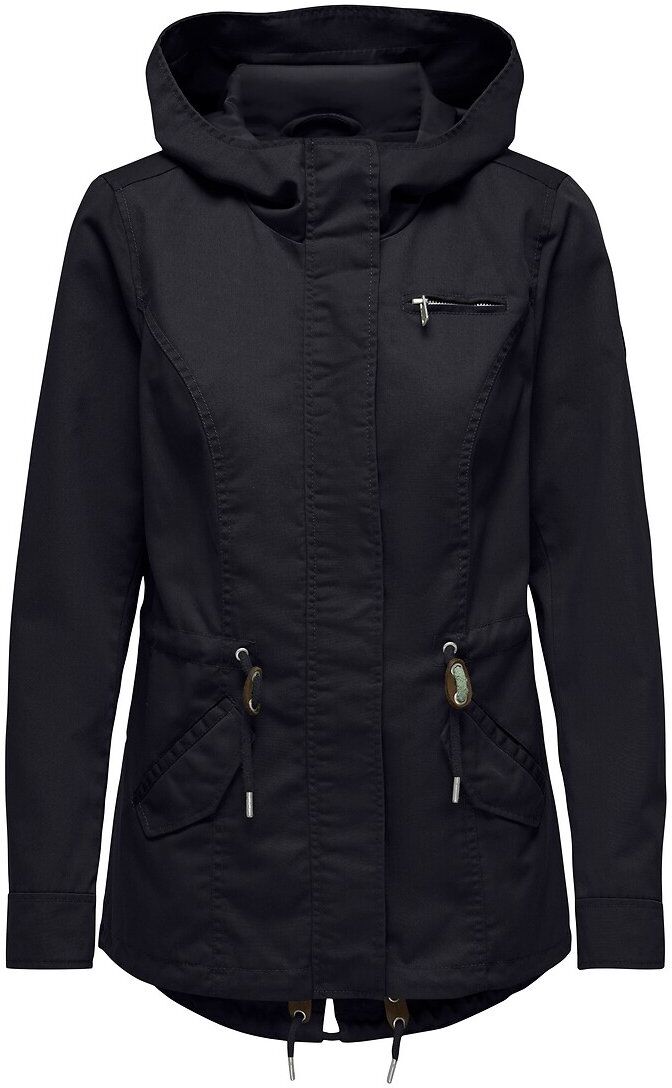
ONLY Parka mi longue, à capucheDétails produit • Longueur : mi-long • Capuche • Fermeture zippée Composition et Entretien • 80% polyester, 20% coton • Pour l'entretien, merci de vous référer aux indications figurant sur l'étiquette du produit41,99 €*Shipping: 3,99 €Secure redirect to the provider
-
ONLY Robe longue à bretellesDétails produit • Forme : évasée, patineuse • Longue • Fines bretelles • Col V Composition et Entretien • 100% polyester • Pour l'entretien, merci de vous référer aux indications figurant sur l'étiquette du produit31,49 €*Shipping: 3,99 €Secure redirect to the provider
-
What is a tendu à terre à la seconde en face?
A tendu à terre à la seconde en face is a movement in ballet where the working foot slides along the floor to the side (à la seconde) while the body is facing directly forward (en face). This movement is typically done with the working leg fully stretched and the foot pointed, and it is used to strengthen the legs, improve turnout, and develop precision and control in the feet. The tendu à terre à la seconde en face is a fundamental exercise in ballet that is often used as a warm-up or as part of a combination in a ballet class. **
-
Who is wearing this robe?
The person wearing this robe is not specified in the image, so it could be anyone. Robes are often worn by individuals in various cultures and for different purposes, such as for religious ceremonies, spa treatments, or simply for comfort at home. Without more context, it is impossible to determine who specifically is wearing this robe. **
-
How many people can a good chef handle in the à la carte business?
A good chef in the à la carte business can handle a varying number of people depending on the size of the restaurant, the efficiency of the kitchen staff, and the chef's own capabilities. Typically, a skilled chef can manage a busy service with a full dining room, coordinating the preparation and plating of multiple dishes at once. However, there is a limit to the number of orders a chef can handle effectively while maintaining the quality and consistency of the food. This limit will vary from chef to chef and restaurant to restaurant. **
-
When do we use the prepositions à, à la, chez, au, and aux in French?
We use the preposition "à" to indicate a location or destination, to express possession, or to talk about a specific time. "À la" is used before a feminine singular noun to indicate a location or destination. "Chez" is used to indicate going to someone's house or place of business. "Au" is used before a masculine singular noun to indicate a location or destination. "Aux" is used before a plural noun to indicate a location or destination. **
* All prices are inclusive of VAT and, if applicable, plus shipping costs. The offer information is based on the details provided by the respective shop and is updated through automated processes. Real-time updates do not occur, so deviations can occur in individual cases. ** Note: Parts of this content were created by AI.