Buy kookgek.be ?
We are moving the project
kookgek.be .
Are you interested in purchasing the domain
kookgek.be ?
domain@kv-gmbh.de · 0541-91531010
Buy kookgek.be ?
What are orchestral arrangements?
Orchestral arrangements refer to the musical composition and organization of a piece of music for an orchestra. This involves determining which instruments will play which parts, as well as the overall structure and dynamics of the piece. Orchestral arrangements can involve adapting a piece of music originally written for a different ensemble or creating a new arrangement of an existing composition. The goal of orchestral arrangements is to showcase the unique timbres and capabilities of the various instruments in the orchestra while creating a cohesive and expressive musical performance. **
What is an orchestral musician?
An orchestral musician is a professional musician who plays a musical instrument as part of an orchestra. They are highly skilled in their instrument and are able to perform a wide range of musical styles and genres. Orchestral musicians work together with other musicians in the orchestra to create a cohesive and harmonious sound, following the direction of a conductor. They often perform in concert halls, theaters, and other venues, bringing music to audiences around the world. **

Similar search terms for Orchestral
Top-Angebote
Products related to Orchestral:
-
Kringle Candle Kitchen Spice bougie chauffe-plat 42 gKringle Candle Kitchen Spice, 42 g, Bougies parfumées Parfum d'ambiance, La bougie chauffe-plats Kringle Candle Kitchen Spice apporte la dernière touche de romantisme lors de vos dîners à deux, mais aussi lors de toutes vos soirées. Placé dans son bougeoir, ce produit deviendra un accessoire indispensable de votre maison, parfumant agréablement tous les intérieurs de petits volumes. Utilisez plusieurs parfums pour créer une atmosphère à votre image. Le produit : arôme épicé parfum boisé arôme sucré parfum hivernal combustion pure Composition du produit : mèche de coton Mode d’emploi : Placez votre bougie sur une surface résistante à la chaleur. Ne laissez pas brûler plus de 4 heures. Ne laissez jamais votre bougie brûler entièrement. Ne laissez jamais une bougie allumée sans surveillance ou à proximité d’objets inflammables. Tenez hors de portée des enfants et des animaux domestiques. Suivez les instructions du manuel joint.3,40 €*Shipping: 3,45 €Secure redirect to the provider
-
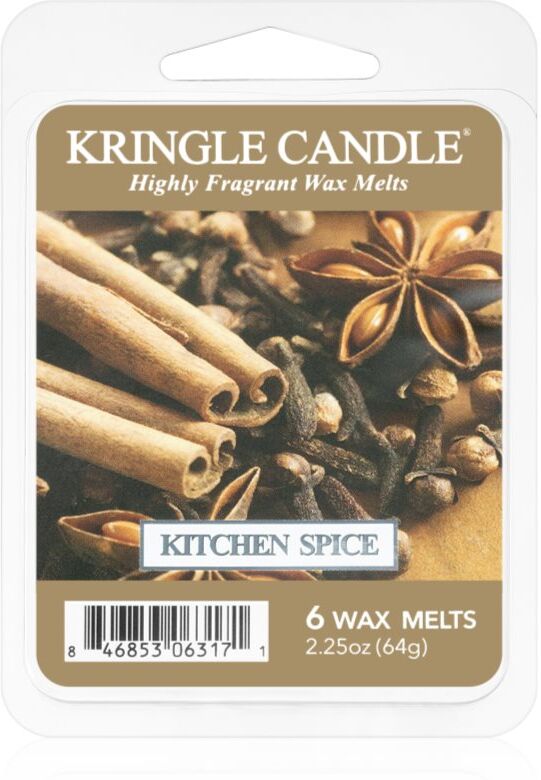
Kringle Candle Kitchen Spice tartelette en cire 64 gKringle Candle Kitchen Spice, 64 g, Cire pour brûle-parfum Parfum d'ambiance, Un parfum peut donner autant de caractère à un intérieur que des objets de décoration. La cire pour brûle-parfum Kringle Candle Kitchen Spice constitue une solution élégante pour apporter une signature olfactive unique à votre intérieur. Une fois fondue, elle libère un parfum intense qui rend l’atmosphère plus agréable et instaure calme et bien-être. Grâce à son format pratique, elle se dose facilement selon l’intensité souhaitée. Mode d’emploi : Ne laissez jamais votre cire avec la bougie allumée sans surveillance ou à proximité d’objets facilement inflammables. Ne laissez pas le produit à la portée des enfants ou des animaux domestiques.4,60 €*Shipping: 3,45 €Secure redirect to the provider
-
Bath & Body Works Kitchen Lemon savon liquide mains 259 mlBath & Body Works Kitchen Lemon, 259 ml, Savons liquides pour femme, Le savon liquide Bath & Body Works Kitchen Lemon nettoie délicatement la peau de vos mains et leur apporte les nutriments et le soin dont elles ont besoin. Le produit : lave efficacement la peau des mains supprime les impuretés et les bactéries nourrit la peau en profondeur Mode d’emploi : Appliquez sur les mains mouillées et faites légèrement mousser. Rincez abondamment les mains.10,90 €*Shipping: 3,45 €Secure redirect to the provider



-
What are orchestral cyclic large forms?
Orchestral cyclic large forms are musical compositions that consist of multiple movements or sections that are thematically related and interconnected. These forms often feature recurring motifs or themes that unify the different parts of the composition. The cyclic nature of these forms allows for a sense of cohesion and continuity throughout the entire piece. Examples of orchestral cyclic large forms include symphonies, concertos, and tone poems. **
-
How can one compose virtual orchestral music?
To compose virtual orchestral music, one can start by choosing a digital audio workstation (DAW) software that supports orchestral sample libraries. Next, select high-quality orchestral sample libraries that include a variety of instruments such as strings, brass, woodwinds, and percussion. Then, familiarize oneself with the different articulations and techniques available for each instrument to create realistic and expressive performances. Finally, arrange the orchestral parts, paying attention to dynamics, phrasing, and balance to achieve a cohesive and emotive composition. **
-
How can one compose orchestral digital music?
To compose orchestral digital music, one can start by selecting a digital audio workstation (DAW) software that supports orchestral sounds and instruments. Next, they can choose high-quality orchestral sample libraries or virtual instruments to create realistic orchestral sounds. It is important to have a good understanding of orchestration and music theory to effectively arrange the different instruments in the composition. Experimenting with different combinations of instruments, melodies, harmonies, and rhythms can help in creating a dynamic and engaging orchestral piece. **
-
What is the orchestral instrumentation in classical music?
Orchestral instrumentation in classical music typically includes four main families of instruments: strings (violins, violas, cellos, double basses), woodwinds (flutes, oboes, clarinets, bassoons), brass (trumpets, French horns, trombones, tuba), and percussion (timpani, snare drum, cymbals). Each family of instruments plays a unique role in creating the rich and diverse sound of the orchestra. The combination of these instruments allows composers to create a wide range of textures and dynamics in their compositions, making orchestral music one of the most versatile and expressive forms of music. **


What is the orchestral lineup in classical music?
The orchestral lineup in classical music typically consists of four main sections: strings, woodwinds, brass, and percussion. Each section is made up of various instruments, with the strings section including instruments such as violins, violas, cellos, and double basses; the woodwinds section including instruments like flutes, clarinets, oboes, and bassoons; the brass section including instruments like trumpets, trombones, French horns, and tubas; and the percussion section including instruments like timpani, snare drums, cymbals, and xylophones. Additionally, some orchestras may also include other instruments such as harps, keyboards, and additional percussion instruments. **
Can you please give a presentation about orchestral instruments?
Orchestral instruments are divided into four main families: strings, woodwinds, brass, and percussion. String instruments include the violin, viola, cello, and double bass, which produce sound by vibrating strings. Woodwind instruments, such as the flute, clarinet, and oboe, create sound by blowing air through a mouthpiece. Brass instruments like the trumpet, trombone, and French horn produce sound by buzzing lips into a mouthpiece. Percussion instruments, including the timpani, snare drum, and cymbals, produce sound by being struck or shaken. Each family of instruments plays a unique role in an orchestra, coming together to create a harmonious and dynamic musical experience. **
Top-Angebote
Products related to Orchestral:
-
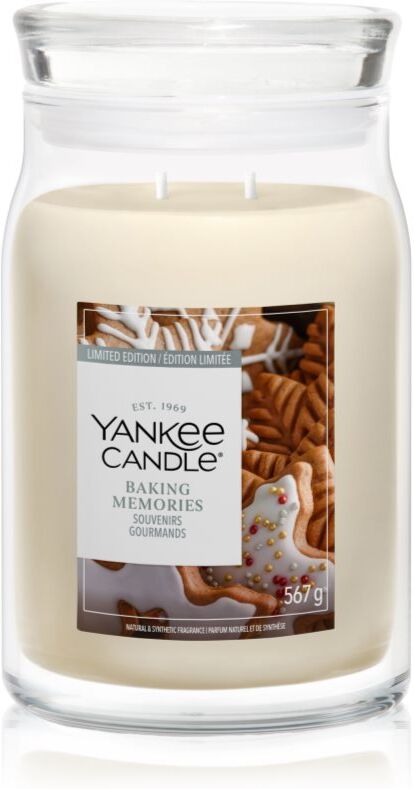
Yankee Candle Baking Memories bougie parfumée 567 gYankee Candle Baking Memories, 567 g, Bougies parfumées Parfum d'ambiance, Une maison où règne un parfum agréable est un endroit où chacun se sent bien. Cette bougie parfumée Yankee Candle Baking Memories allie la lumière chaleureuse de la flamme à un parfum envoûtant qui envahit peu à peu toute la pièce. Chaque fois que vous l’allumez, elle transforme les moments du quotidien en un rituel de bien-être et de détente. Le produit : parfum chaleureux parfum automnal parfum hivernal parfum de fête thématique Constitue le cadeau idéal le pot peut également faire office d’accessoire élégant une fois que la bougie est complètement consumée combustion de longue durée combustion pure confère à la pièce un caractère unique crée une atmosphère harmonieuse met en valeur le caractère chaleureux de l’intérieur diffuse un parfum agréable dans la pièce crée une ambiance agréable, propice à la détente sublime les moments passés à la maison au quotidien Composition du produit : contenant de la cire de soja mèche de coton mèche sans plomb aux huiles essentielles Mode d’emploi : Suivez les instructions du manuel joint. Laissez la bougie brûler jusqu’à ce que la couche supérieure soit entièrement fondue afin d’éviter la formation d’un creux dans la cire.35,00 €*Shipping: 3,45 €Secure redirect to the provider
-
Yankee Candle Baking Memories bougie parfumée 368 gYankee Candle Baking Memories, 368 g, Bougies parfumées Parfum d'ambiance, Une maison où règne un parfum agréable est un endroit où chacun se sent bien. Cette bougie parfumée Yankee Candle Baking Memories allie la lumière chaleureuse de la flamme à un parfum envoûtant qui envahit peu à peu toute la pièce. Chaque fois que vous l’allumez, elle transforme les moments du quotidien en un rituel de bien-être et de détente. Le produit : parfum chaleureux parfum automnal parfum hivernal parfum de fête thématique Constitue le cadeau idéal le pot peut également faire office d’accessoire élégant une fois que la bougie est complètement consumée combustion de longue durée combustion pure confère à la pièce un caractère unique crée une atmosphère harmonieuse met en valeur le caractère chaleureux de l’intérieur diffuse un parfum agréable dans la pièce crée une ambiance agréable, propice à la détente sublime les moments passés à la maison au quotidien Composition du produit : contenant de la cire de soja mèche de coton mèche sans plomb aux huiles essentielles Mode d’emploi : Suivez les instructions du manuel joint. Laissez la bougie brûler jusqu’à ce que la couche supérieure soit entièrement fondue afin d’éviter la formation d’un creux dans la cire.30,00 €*Shipping: 3,45 €Secure redirect to the provider
-
Kringle Candle Kitchen Spice bougie chauffe-plat 42 gKringle Candle Kitchen Spice, 42 g, Bougies parfumées Parfum d'ambiance, La bougie chauffe-plats Kringle Candle Kitchen Spice apporte la dernière touche de romantisme lors de vos dîners à deux, mais aussi lors de toutes vos soirées. Placé dans son bougeoir, ce produit deviendra un accessoire indispensable de votre maison, parfumant agréablement tous les intérieurs de petits volumes. Utilisez plusieurs parfums pour créer une atmosphère à votre image. Le produit : arôme épicé parfum boisé arôme sucré parfum hivernal combustion pure Composition du produit : mèche de coton Mode d’emploi : Placez votre bougie sur une surface résistante à la chaleur. Ne laissez pas brûler plus de 4 heures. Ne laissez jamais votre bougie brûler entièrement. Ne laissez jamais une bougie allumée sans surveillance ou à proximité d’objets inflammables. Tenez hors de portée des enfants et des animaux domestiques. Suivez les instructions du manuel joint.3,40 €*Shipping: 3,45 €Secure redirect to the provider
-
Kringle Candle Kitchen Spice tartelette en cire 64 gKringle Candle Kitchen Spice, 64 g, Cire pour brûle-parfum Parfum d'ambiance, Un parfum peut donner autant de caractère à un intérieur que des objets de décoration. La cire pour brûle-parfum Kringle Candle Kitchen Spice constitue une solution élégante pour apporter une signature olfactive unique à votre intérieur. Une fois fondue, elle libère un parfum intense qui rend l’atmosphère plus agréable et instaure calme et bien-être. Grâce à son format pratique, elle se dose facilement selon l’intensité souhaitée. Mode d’emploi : Ne laissez jamais votre cire avec la bougie allumée sans surveillance ou à proximité d’objets facilement inflammables. Ne laissez pas le produit à la portée des enfants ou des animaux domestiques.4,60 €*Shipping: 3,45 €Secure redirect to the provider
-
What are orchestral arrangements?
Orchestral arrangements refer to the musical composition and organization of a piece of music for an orchestra. This involves determining which instruments will play which parts, as well as the overall structure and dynamics of the piece. Orchestral arrangements can involve adapting a piece of music originally written for a different ensemble or creating a new arrangement of an existing composition. The goal of orchestral arrangements is to showcase the unique timbres and capabilities of the various instruments in the orchestra while creating a cohesive and expressive musical performance. **
-
What is an orchestral musician?
An orchestral musician is a professional musician who plays a musical instrument as part of an orchestra. They are highly skilled in their instrument and are able to perform a wide range of musical styles and genres. Orchestral musicians work together with other musicians in the orchestra to create a cohesive and harmonious sound, following the direction of a conductor. They often perform in concert halls, theaters, and other venues, bringing music to audiences around the world. **
-
What are orchestral cyclic large forms?
Orchestral cyclic large forms are musical compositions that consist of multiple movements or sections that are thematically related and interconnected. These forms often feature recurring motifs or themes that unify the different parts of the composition. The cyclic nature of these forms allows for a sense of cohesion and continuity throughout the entire piece. Examples of orchestral cyclic large forms include symphonies, concertos, and tone poems. **
-
How can one compose virtual orchestral music?
To compose virtual orchestral music, one can start by choosing a digital audio workstation (DAW) software that supports orchestral sample libraries. Next, select high-quality orchestral sample libraries that include a variety of instruments such as strings, brass, woodwinds, and percussion. Then, familiarize oneself with the different articulations and techniques available for each instrument to create realistic and expressive performances. Finally, arrange the orchestral parts, paying attention to dynamics, phrasing, and balance to achieve a cohesive and emotive composition. **
Similar search terms for Orchestral
-
Bath & Body Works Kitchen Lemon savon liquide mains 259 mlBath & Body Works Kitchen Lemon, 259 ml, Savons liquides pour femme, Le savon liquide Bath & Body Works Kitchen Lemon nettoie délicatement la peau de vos mains et leur apporte les nutriments et le soin dont elles ont besoin. Le produit : lave efficacement la peau des mains supprime les impuretés et les bactéries nourrit la peau en profondeur Mode d’emploi : Appliquez sur les mains mouillées et faites légèrement mousser. Rincez abondamment les mains.10,90 €*Shipping: 3,45 €Secure redirect to the provider
-
Colgate Advanced White Volcanic Ash and Baking Soda dentifrice naturel 75x1Colgate Advanced White Volcanic Ash and Baking Soda, 75x1 , Dentifrices blanchissants mixte, Le dentifrice Colgate Advanced White Volcanic Ash and Baking Soda prend totalement soin de vos dents et de vos gencives, il vous laisse une agréable haleine. Le produit : lutte contre la carie dentaire et le tartre dentaire garantit le respect de l’émail dentaire supprime le tartre et la plaque dentaire rafraîchit l’haleine prend soin des gencives Mode d’emploi : Nettoyez vos dents minutieusement pendant au moins 2 minutes. Pour bien achever votre routine d’hygiène dentaire, utilisez un fil ou une brossette interdentaire.2,20 €*Shipping: 3,45 €Secure redirect to the provider
-
How can one compose orchestral digital music?
To compose orchestral digital music, one can start by selecting a digital audio workstation (DAW) software that supports orchestral sounds and instruments. Next, they can choose high-quality orchestral sample libraries or virtual instruments to create realistic orchestral sounds. It is important to have a good understanding of orchestration and music theory to effectively arrange the different instruments in the composition. Experimenting with different combinations of instruments, melodies, harmonies, and rhythms can help in creating a dynamic and engaging orchestral piece. **
-
What is the orchestral instrumentation in classical music?
Orchestral instrumentation in classical music typically includes four main families of instruments: strings (violins, violas, cellos, double basses), woodwinds (flutes, oboes, clarinets, bassoons), brass (trumpets, French horns, trombones, tuba), and percussion (timpani, snare drum, cymbals). Each family of instruments plays a unique role in creating the rich and diverse sound of the orchestra. The combination of these instruments allows composers to create a wide range of textures and dynamics in their compositions, making orchestral music one of the most versatile and expressive forms of music. **
-
What is the orchestral lineup in classical music?
The orchestral lineup in classical music typically consists of four main sections: strings, woodwinds, brass, and percussion. Each section is made up of various instruments, with the strings section including instruments such as violins, violas, cellos, and double basses; the woodwinds section including instruments like flutes, clarinets, oboes, and bassoons; the brass section including instruments like trumpets, trombones, French horns, and tubas; and the percussion section including instruments like timpani, snare drums, cymbals, and xylophones. Additionally, some orchestras may also include other instruments such as harps, keyboards, and additional percussion instruments. **
-
Can you please give a presentation about orchestral instruments?
Orchestral instruments are divided into four main families: strings, woodwinds, brass, and percussion. String instruments include the violin, viola, cello, and double bass, which produce sound by vibrating strings. Woodwind instruments, such as the flute, clarinet, and oboe, create sound by blowing air through a mouthpiece. Brass instruments like the trumpet, trombone, and French horn produce sound by buzzing lips into a mouthpiece. Percussion instruments, including the timpani, snare drum, and cymbals, produce sound by being struck or shaken. Each family of instruments plays a unique role in an orchestra, coming together to create a harmonious and dynamic musical experience. **
* All prices are inclusive of VAT and, if applicable, plus shipping costs. The offer information is based on the details provided by the respective shop and is updated through automated processes. Real-time updates do not occur, so deviations can occur in individual cases. ** Note: Parts of this content were created by AI.