Buy kookgek.be ?
We are moving the project
kookgek.be .
Are you interested in purchasing the domain
kookgek.be ?
domain@kv-gmbh.de · 0541-91531010
Buy kookgek.be ?
What are guard cells and stomata?
Guard cells are specialized cells found in the epidermis of plant leaves that surround and control the opening and closing of tiny pores called stomata. Stomata are small openings on the surface of leaves that allow for the exchange of gases such as carbon dioxide and oxygen, as well as the release of water vapor during transpiration. Guard cells regulate the opening and closing of stomata in response to environmental factors such as light intensity, humidity, and carbon dioxide levels to help plants maintain proper gas exchange and water balance. **
Why do mesophytes have small stomata?
Mesophytes have small stomata to regulate water loss through transpiration. By having smaller stomata, mesophytes can control the amount of water vapor that escapes from their leaves, helping them to conserve water in environments where water availability may be limited. Additionally, smaller stomata reduce the risk of desiccation in dry conditions, allowing mesophytes to thrive in a variety of habitats. **


Similar search terms for Stomata
Top-Angebote
Products related to Stomata:
-
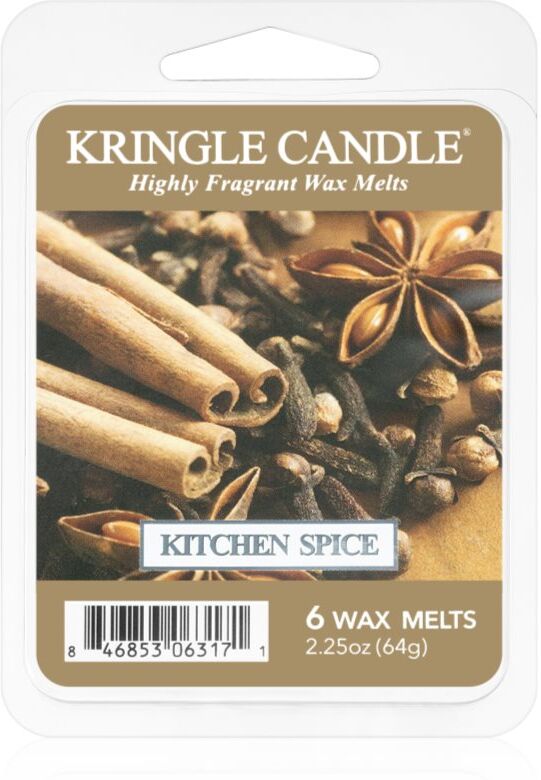
Kringle Candle Kitchen Spice tartelette en cire 64 gKringle Candle Kitchen Spice, 64 g, Cire pour brûle-parfum Parfum d'ambiance, Un parfum peut donner autant de caractère à un intérieur que des objets de décoration. La cire pour brûle-parfum Kringle Candle Kitchen Spice constitue une solution élégante pour apporter une signature olfactive unique à votre intérieur. Une fois fondue, elle libère un parfum intense qui rend l’atmosphère plus agréable et instaure calme et bien-être. Grâce à son format pratique, elle se dose facilement selon l’intensité souhaitée. Mode d’emploi : Ne laissez jamais votre cire avec la bougie allumée sans surveillance ou à proximité d’objets facilement inflammables. Ne laissez pas le produit à la portée des enfants ou des animaux domestiques.4,60 €*Shipping: 3,45 €Secure redirect to the provider
-
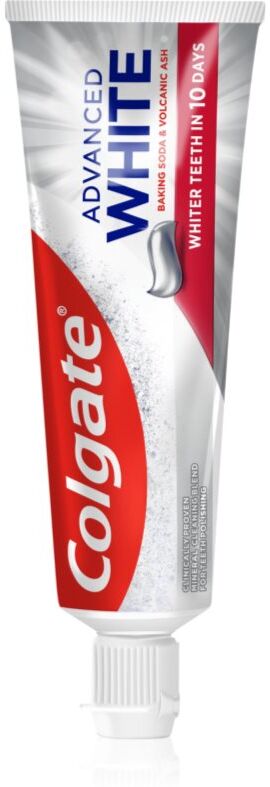
Colgate Advanced White Volcanic Ash and Baking Soda dentifrice naturel 75x1Colgate Advanced White Volcanic Ash and Baking Soda, 75x1 , Dentifrices blanchissants mixte, Le dentifrice Colgate Advanced White Volcanic Ash and Baking Soda prend totalement soin de vos dents et de vos gencives, il vous laisse une agréable haleine. Le produit : lutte contre la carie dentaire et le tartre dentaire garantit le respect de l’émail dentaire supprime le tartre et la plaque dentaire rafraîchit l’haleine prend soin des gencives Mode d’emploi : Nettoyez vos dents minutieusement pendant au moins 2 minutes. Pour bien achever votre routine d’hygiène dentaire, utilisez un fil ou une brossette interdentaire.2,20 €*Shipping: 3,45 €Secure redirect to the provider
-
Bath & Body Works Kitchen Lemon savon liquide mains 259 mlBath & Body Works Kitchen Lemon, 259 ml, Savons liquides pour femme, Le savon liquide Bath & Body Works Kitchen Lemon nettoie délicatement la peau de vos mains et leur apporte les nutriments et le soin dont elles ont besoin. Le produit : lave efficacement la peau des mains supprime les impuretés et les bactéries nourrit la peau en profondeur Mode d’emploi : Appliquez sur les mains mouillées et faites légèrement mousser. Rincez abondamment les mains.10,90 €*Shipping: 3,45 €Secure redirect to the provider


-
Why do stomata close at midday?
Stomata close at midday to prevent excessive water loss through transpiration. During the hottest part of the day, the plant can lose a significant amount of water through open stomata, which can lead to dehydration and wilting. By closing the stomata, the plant can conserve water and maintain its turgidity, allowing it to survive the heat and dry conditions. Additionally, closing the stomata can also help to regulate the exchange of gases, such as carbon dioxide and oxygen, within the plant. **
-
What are stomata in plants in biology?
Stomata are small pores found on the surface of plant leaves and stems that are responsible for gas exchange. They allow for the uptake of carbon dioxide for photosynthesis and the release of oxygen and water vapor. Stomata are surrounded by specialized cells called guard cells, which control the opening and closing of the pores to regulate the exchange of gases and the loss of water through transpiration. This process is crucial for the survival and growth of plants. **
-
Why are the stomata located underneath the leaf?
Stomata are located underneath the leaf to reduce water loss through transpiration. Placing the stomata on the underside of the leaf helps to minimize exposure to direct sunlight and wind, which can increase water loss. Additionally, having the stomata on the underside of the leaf helps to protect them from potential damage and blockage by dust and other particles. This positioning also allows for better control of gas exchange and helps to maintain the internal water balance of the plant. **
-
Are dry plants hydrophilic and do they have sunken stomata?
Dry plants are not hydrophilic, as they do not have a strong affinity for water. In fact, they often have adaptations to conserve water, such as waxy cuticles and reduced stomata. Additionally, dry plants may have sunken stomata, which helps to reduce water loss by creating a barrier between the stomata and the external environment. These adaptations are important for the survival of dry plants in arid environments. **


Why do aquatic plants have their stomata on top, moist plants on top, adaptable plants on the bottom, and dry plants have sunken stomata?
Aquatic plants have their stomata on top to facilitate gas exchange with the surrounding water. Moist plants have stomata on top to prevent excessive water loss and maintain a moist environment for photosynthesis. Adaptable plants have stomata on the bottom to regulate water loss and gas exchange based on environmental conditions. Dry plants have sunken stomata to reduce water loss through evaporation and protect the stomata from drying out in arid conditions. **
Why do water plants have their stomata on top, moist plants on top, adaptable plants on the bottom, and dry plants have sunken stomata?
Water plants have their stomata on top to prevent water loss and allow for efficient gas exchange with the atmosphere. Moist plants have their stomata on top to take advantage of the moist air and reduce water loss. Adaptable plants have their stomata on the bottom to minimize water loss and adapt to varying environmental conditions. Dry plants have sunken stomata to reduce water loss and protect the stomata from drying out in arid conditions. Each type of plant has evolved to have stomata placement that best suits their specific environmental needs. **
Top-Angebote
Products related to Stomata:
-
vidaXL Tapis de cuisine lavable texte Cooking 45x150 cm veloursCe tapis de cuisine est extrêmement doux et moelleux, et son design élégant attire tous les regards dans votre intérieur. Matériau durable : le dessus du tapis de cuisine est recouvert d'un tissu de velours doux qui absorbe rapidement l'eau et la saleté. La base en latex antidérapante assure que le tapis de cuisine adhère fermement au sol pour plus de sécurité. Lavable en machine : vous pouvez facilement nettoyer le tapis de sol de cuisine car il est lavable en machine. Rangement pratique : le tapis est flexible et peut être facilement enroulé pour le rangement et le transport.23,80 €*Shipping: 0,00 €Secure redirect to the provider
-
Kringle Candle Kitchen Spice bougie chauffe-plat 42 gKringle Candle Kitchen Spice, 42 g, Bougies parfumées Parfum d'ambiance, La bougie chauffe-plats Kringle Candle Kitchen Spice apporte la dernière touche de romantisme lors de vos dîners à deux, mais aussi lors de toutes vos soirées. Placé dans son bougeoir, ce produit deviendra un accessoire indispensable de votre maison, parfumant agréablement tous les intérieurs de petits volumes. Utilisez plusieurs parfums pour créer une atmosphère à votre image. Le produit : arôme épicé parfum boisé arôme sucré parfum hivernal combustion pure Composition du produit : mèche de coton Mode d’emploi : Placez votre bougie sur une surface résistante à la chaleur. Ne laissez pas brûler plus de 4 heures. Ne laissez jamais votre bougie brûler entièrement. Ne laissez jamais une bougie allumée sans surveillance ou à proximité d’objets inflammables. Tenez hors de portée des enfants et des animaux domestiques. Suivez les instructions du manuel joint.3,40 €*Shipping: 3,45 €Secure redirect to the provider
-
Kringle Candle Kitchen Spice tartelette en cire 64 gKringle Candle Kitchen Spice, 64 g, Cire pour brûle-parfum Parfum d'ambiance, Un parfum peut donner autant de caractère à un intérieur que des objets de décoration. La cire pour brûle-parfum Kringle Candle Kitchen Spice constitue une solution élégante pour apporter une signature olfactive unique à votre intérieur. Une fois fondue, elle libère un parfum intense qui rend l’atmosphère plus agréable et instaure calme et bien-être. Grâce à son format pratique, elle se dose facilement selon l’intensité souhaitée. Mode d’emploi : Ne laissez jamais votre cire avec la bougie allumée sans surveillance ou à proximité d’objets facilement inflammables. Ne laissez pas le produit à la portée des enfants ou des animaux domestiques.4,60 €*Shipping: 3,45 €Secure redirect to the provider
-
Colgate Advanced White Volcanic Ash and Baking Soda dentifrice naturel 75x1Colgate Advanced White Volcanic Ash and Baking Soda, 75x1 , Dentifrices blanchissants mixte, Le dentifrice Colgate Advanced White Volcanic Ash and Baking Soda prend totalement soin de vos dents et de vos gencives, il vous laisse une agréable haleine. Le produit : lutte contre la carie dentaire et le tartre dentaire garantit le respect de l’émail dentaire supprime le tartre et la plaque dentaire rafraîchit l’haleine prend soin des gencives Mode d’emploi : Nettoyez vos dents minutieusement pendant au moins 2 minutes. Pour bien achever votre routine d’hygiène dentaire, utilisez un fil ou une brossette interdentaire.2,20 €*Shipping: 3,45 €Secure redirect to the provider
-
What are guard cells and stomata?
Guard cells are specialized cells found in the epidermis of plant leaves that surround and control the opening and closing of tiny pores called stomata. Stomata are small openings on the surface of leaves that allow for the exchange of gases such as carbon dioxide and oxygen, as well as the release of water vapor during transpiration. Guard cells regulate the opening and closing of stomata in response to environmental factors such as light intensity, humidity, and carbon dioxide levels to help plants maintain proper gas exchange and water balance. **
-
Why do mesophytes have small stomata?
Mesophytes have small stomata to regulate water loss through transpiration. By having smaller stomata, mesophytes can control the amount of water vapor that escapes from their leaves, helping them to conserve water in environments where water availability may be limited. Additionally, smaller stomata reduce the risk of desiccation in dry conditions, allowing mesophytes to thrive in a variety of habitats. **
-
Why do stomata close at midday?
Stomata close at midday to prevent excessive water loss through transpiration. During the hottest part of the day, the plant can lose a significant amount of water through open stomata, which can lead to dehydration and wilting. By closing the stomata, the plant can conserve water and maintain its turgidity, allowing it to survive the heat and dry conditions. Additionally, closing the stomata can also help to regulate the exchange of gases, such as carbon dioxide and oxygen, within the plant. **
-
What are stomata in plants in biology?
Stomata are small pores found on the surface of plant leaves and stems that are responsible for gas exchange. They allow for the uptake of carbon dioxide for photosynthesis and the release of oxygen and water vapor. Stomata are surrounded by specialized cells called guard cells, which control the opening and closing of the pores to regulate the exchange of gases and the loss of water through transpiration. This process is crucial for the survival and growth of plants. **
Similar search terms for Stomata
-
Bath & Body Works Kitchen Lemon savon liquide mains 259 mlBath & Body Works Kitchen Lemon, 259 ml, Savons liquides pour femme, Le savon liquide Bath & Body Works Kitchen Lemon nettoie délicatement la peau de vos mains et leur apporte les nutriments et le soin dont elles ont besoin. Le produit : lave efficacement la peau des mains supprime les impuretés et les bactéries nourrit la peau en profondeur Mode d’emploi : Appliquez sur les mains mouillées et faites légèrement mousser. Rincez abondamment les mains.10,90 €*Shipping: 3,45 €Secure redirect to the provider
-
Colgate Advanced White Volcanic Ash and Baking Soda dentifrice naturel 3x75 mlColgate Advanced White Volcanic Ash and Baking Soda, 3x75 ml, Dentifrices blanchissants mixte, Le dentifrice Colgate Advanced White Volcanic Ash and Baking Soda prend totalement soin de vos dents et de vos gencives, il vous laisse une agréable haleine. Le produit : lutte contre la carie dentaire et le tartre dentaire garantit le respect de l’émail dentaire supprime le tartre et la plaque dentaire rafraîchit l’haleine prend soin des gencives Mode d’emploi : Nettoyez vos dents minutieusement pendant au moins 2 minutes. Pour bien achever votre routine d’hygiène dentaire, utilisez un fil ou une brossette interdentaire.6,40 €*Shipping: 3,45 €Secure redirect to the provider
-
Why are the stomata located underneath the leaf?
Stomata are located underneath the leaf to reduce water loss through transpiration. Placing the stomata on the underside of the leaf helps to minimize exposure to direct sunlight and wind, which can increase water loss. Additionally, having the stomata on the underside of the leaf helps to protect them from potential damage and blockage by dust and other particles. This positioning also allows for better control of gas exchange and helps to maintain the internal water balance of the plant. **
-
Are dry plants hydrophilic and do they have sunken stomata?
Dry plants are not hydrophilic, as they do not have a strong affinity for water. In fact, they often have adaptations to conserve water, such as waxy cuticles and reduced stomata. Additionally, dry plants may have sunken stomata, which helps to reduce water loss by creating a barrier between the stomata and the external environment. These adaptations are important for the survival of dry plants in arid environments. **
-
Why do aquatic plants have their stomata on top, moist plants on top, adaptable plants on the bottom, and dry plants have sunken stomata?
Aquatic plants have their stomata on top to facilitate gas exchange with the surrounding water. Moist plants have stomata on top to prevent excessive water loss and maintain a moist environment for photosynthesis. Adaptable plants have stomata on the bottom to regulate water loss and gas exchange based on environmental conditions. Dry plants have sunken stomata to reduce water loss through evaporation and protect the stomata from drying out in arid conditions. **
-
Why do water plants have their stomata on top, moist plants on top, adaptable plants on the bottom, and dry plants have sunken stomata?
Water plants have their stomata on top to prevent water loss and allow for efficient gas exchange with the atmosphere. Moist plants have their stomata on top to take advantage of the moist air and reduce water loss. Adaptable plants have their stomata on the bottom to minimize water loss and adapt to varying environmental conditions. Dry plants have sunken stomata to reduce water loss and protect the stomata from drying out in arid conditions. Each type of plant has evolved to have stomata placement that best suits their specific environmental needs. **
* All prices are inclusive of VAT and, if applicable, plus shipping costs. The offer information is based on the details provided by the respective shop and is updated through automated processes. Real-time updates do not occur, so deviations can occur in individual cases. ** Note: Parts of this content were created by AI.